News

The Invisible Americans: Census Outreach to Hard-To-Count Communities

Every ten years, the Census puts in extra effort to reach “hard to count” (HTC) communities. These populations face various barriers when it comes to filling out the Census. The population groups that are historically undercounted include BIPOC (Black, Indigenous, and People of Color), renters, college students, people with low English proficiency, immigrants, mixed-status households, and low-income households. These communities are identified as HTC because they are:

  • Hard to locate

Families or individuals who are transitory due to experiencing homelessness or housing instability are typically short-term renters, live in isolated rural locations, or are physically challenging to find fall under this category. Indigenous peoples of the United States are the most undercounted population in the Census. One in three live in hard to count rural Census tracts, representing 80% of all tribal lands. To combat the undercount, the Census Bureau has focused on starting the count in Alaska earlier than usual and are working with tribal leaders to form Complete Count Committees.

  • Hard to contact

Census workers may have trouble counting vulnerable populations, even after they are located. The reason for the difficulty in contacting HTC community members could be that they are highly mobile or their residence has physical access barriers, such as gated communities. To count populations experiencing homelessness, the Census Bureau sets aside specific days when enumerators specifically focus on visiting soup kitchens, mobile food vans, shelters, and tent encampments.

  • Hard to persuade

Once accessed, populations may be reluctant to participate. Marginalized communities that intersect with HTC communities have experienced systemic violence that leads to a distrust of government Census efforts, which could lead to nonresponse to the Census. In the 2010 Census, the African-American population was undercounted by more than 800,000 people. Mixed-status immigrant households may also be hesitant to fill out the Census due to fear of deportation. However, the Census Bureau does not share any personally identifiable information with any other agency, including law enforcement. Personal data collected by the Census is protected from disclosure and kept confidential under the law. The Census Bureau also works with trusted community-based organizations to promote the Census and reach these communities.

  • Hard to interview for Census

Once engaged, counting populations can be hindered by the lack of a shared language, low literacy, or lack of access to technology to respond to the questionnaire. To make this Census the most accessible one to date, people can respond by phone, online in 12 languages, or by mail. Also, enumerators can coordinate among themselves to visit households whose language they can speak. Getting an accurate count is a vital step towards the civic empowerment of low income and marginalized communities. Federal agencies rely on Census data to monitor discrimination and implement civil rights laws, such as voting rights and equal employment opportunity. For example, the Federal Voting Rights Act determines where city, county, and state-level political districts need to be drawn to empower historically disenfranchised communities. Communities only receive the protections under the Federal Voting Rights Act if they reach a certain population size threshold identified in the federal law.

We use Census data to determine if communities reach those thresholds. If immigrant communities or other populations are undercounted, they will have less access to the Federal Voting Rights Act and the political districts working to increase their empowerment. For these reasons, it is critical that communities that have been historically disenfranchised in the political process work towards a complete Census count.

¿Quiénes son los estadounidenses invisibles?

Cada diez años, el Censo hace un esfuerzo adicional para tratar de enumerar a las comunidades difíciles para contar o “hard to count” (HTC). Estas poblaciones enfrentan varias barreras a la hora de completar el censo. Los grupos de población que históricamente no se cuentan son las comunidades negras, indígenas y personas de color, inquilinos, estudiantes universitarios, personas con bajo nivel de inglés, inmigrantes, hogares de estatus mixto y hogares de bajos ingresos. Estas comunidades se identifican como HTC porque son:

  • DifĂ­cil de localizar

Las familias o personas que son transitorias debido a la falta de vivienda, la inestabilidad de la vivienda, son inquilinos a corto plazo, viven en lugares rurales aislados o tienen dificultades físicas para encontrarlos en esta categoría. Las comunidades indígenas de los Estados Unidos son la población menos contada en el Censo. Uno de cada tres vive en zonas censales rurales difíciles de contar, lo que representa el 80% de todas las tierras tribales. Para combatir el conteo insuficiente, la Oficina del Censo se ha centrado en comenzar el conteo en Alaska antes de lo habitual y trabajar con los líderes tribales para formar Comités de conteo completes.

  • DifĂ­cil para contactar

Los trabajadores del censo pueden tener problemas para contar las poblaciones vulnerables después de haber sido ubicadas. La razón de la dificultad para contactar a los miembros de la comunidad de HTC podría ser que son altamente móviles o que su residencia tiene barreras de acceso físico, como las comunidades cerradas. Para contar las poblaciones que viven en la calle, la Oficina del Censo reserva días específicos en los que los enumeradores se centran específicamente en visitar comedores populares, camionetas móviles, refugios y campamentos de tiendas de campaña.

  • DifĂ­cil para persuadir

Una vez accedidas, las poblaciones pueden ser reacias a participar. Las comunidades marginadas que se cruzan con las comunidades HTC han experimentado violencia sistémica que conduce a una desconfianza de los esfuerzos del Censo o del gobierno, lo que podría conducir a la falta de respuesta al Censo. En el censo de 2010, no se contabilizaron más de 800,000 personas afroamericanas. Los hogares de inmigrantes de estatus mixto también pueden dudar en completar el censo debido al temor a la deportación. Sin embargo, la Oficina del Censo no comparte ninguna información de identificación personal con ninguna otra agencia, incluidas las fuerzas del orden. Los datos personales recopilados por el Censo están protegidos contra la divulgación y se mantienen confidenciales según la ley. La Oficina del Censo también trabaja con organizaciones comunitarias confiables para promover el Censo y llegar a estas comunidades.

  • DifĂ­cil de entrevistar o censar.

 Una vez comprometidos, el conteo de poblaciones puede verse obstaculizado por la falta de un idioma compartido, baja alfabetizaciĂłn o falta de acceso a la tecnologĂ­a para responder al cuestionario. Para que este censo sea el más accesible hasta la fecha, las personas pueden responder por telĂ©fono, en lĂ­nea en 12 idiomas o por correo. Además, los enumeradores pueden coordinar entre ellos para visitar hogares cuyo idioma pueden hablar. Obtener un conteo exacto es un paso vital hacia el empoderamiento cĂ­vico de las comunidades marginadas y de bajos ingresos que se encuentran bajo el paraguas de las comunidades HTC. Las agencias federales confĂ­an en los datos del Censo para monitorear la discriminaciĂłn e implementar leyes de derechos civiles, como los derechos de voto y la igualdad de oportunidades de empleo. Por ejemplo, la Ley Federal de Derechos de VotaciĂłn determina dĂłnde los distritos polĂ­ticos de la ciudad, el condado y los distritos polĂ­ticos a nivel estatal, deben ser diseñados para empoderar a las comunidades histĂłricamente privadas de sus derechos. Las comunidades solo reciben las protecciones de la Ley Federal de Derechos de VotaciĂłn si alcanzan ciertos umbrales de poblaciĂłn o tamaño que se identifican en la ley federal.

Utilizamos los datos del censo para determinar si las comunidades alcanzan esos umbrales. Eso significa un conteo insuficiente del censo que excluye a las comunidades de inmigrantes u otras poblaciones, tienen menos acceso a la Ley Federal de Derechos de VotaciĂłn y a los distritos polĂ­ticos que trabajan para su empoderamiento polĂ­tico. Por estas razones, es vital que las comunidades que han sido histĂłricamente privadas de sus derechos en el proceso polĂ­tico trabajen hacia un conteo completo del Censo.
Jessica and Javier’s Stories

In May, our Benefits Enrollment Navigators provided $14,000 in rental assistance and $2,000 in grocery gift cards. We also shared community resources to assist families with rent and utilities. Many participants were not eligible to receive unemployment benefits, so our Navigators contacted them weekly to help them fill out their claims. We helped participants claim benefits totaling between $30,000 and $40,000. This work was made possible by our generous funders. Click to read about Jessica and Javier’s stories.

Many participants struggled to receive their unemployment benefits, two of whom are Jessica and Javier (names are withheld). Some barriers they experienced included not meeting the hour requirement to qualify for benefits, having to provide proof of their identities, or missing responses on their applications.

Our Navigators assisted both Jessica and Javier in their preferred languages. We explained their unique situation and walked them through their separate applications. Within two weeks, their applications were processed successfully. One received about $4,000 and the other individual received $5,000 in back pay of unemployment benefits. They were both very appreciative of the help and support that was provided. They were relieved and had peace of mind that they had enough to pay their rent and bills.

Census Operational Adjustments

To keep our communities safe, organizations and businesses everywhere are making operational changes by either canceling events or switching to virtual platforms. In order to protect the safety of the public and Census Bureau employees, please note the following changes:

  • The new dates for following up with households that have not responded to the Census are from August 11 – October 31. During the nonresponse follow-ups, Census takers will interview households in-person that have not responded to the Census yet. For many reasons, some people are hesitant to have strangers knocking at their doors, including wanting to continue social distancing due to COVID-19 or the connotations of federal officials knocking at their doors, mainly experienced by immigrant families. If you do not wish an enumerator to visit your home in person, it is especially important to fill out the Census ahead of time before August.
  • Counting people experiencing homelessness outdoors is from September 22 – September 24. For individuals who are experiencing homelessness, September 22, 23, and 24 are key dates. It is vital that we get an accurate account of people living under bridges, parks, in all-night businesses, emergency shelters, cars, or tent cities. The Census data helps allocate billions of dollars in federal funding for services such as shelters, soup kitchens, and programs that assist with housing and transitioning from homelessness.

We must let our loved ones who have not filled out the Census yet know about these critical changes. The next ten years of our communities’ resources depend on having an accurate count this year. It is essential that everyone is counted, regardless of race, citizenship status, or housing situation. If you have any questions about filling out the Census or who should be counted in your household, call Dulce Gutierrez Vasquez at 206-957-4605 for assistance.

Ajustes Operativos del Censo

Para mantener nuestras comunidades seguras, las organizaciones y las empresas de todo el mundo están haciendo cambios operativos como cancelando eventos o cambiando a plataformas virtuales. Para proteger la seguridad del público y de los empleados de la Oficina del Censo, tenga en cuenta los siguientes cambios:

  • Las nuevas fechas para el seguimiento de los hogares que no han respondido al Censo son del 11 de agosto al 31 de octubre. Durante los seguimientos sin respuesta, los encuestadores del Censo entrevistarán, en persona, a los hogares que aĂşn no han respondido al Censo. Por muchas razones, algunas personas se pondrĂ­an nerviosos que estos extraños lleguen a tocar a sus puertas, incluido el deseo de continuar el distanciamiento social debido a COVID-19 o las connotaciones de oficiales federales que tocan a sus puertas, principalmente experimentados por familias inmigrantes. Si no desea que un enumerador visite su hogar en persona, es especialmente importante completar el censo antes de agosto.
  • El conteo de personas sin hogar o sin acceso a refugios es del 22 al 24 de septiembre. Para las personas que están sin hogar, el 22, 23 y 24 de septiembre son fechas clave. Es vital que obtengamos una cuenta precisa de las personas que viven debajo de puentes, parques, en negocios nocturnos, refugios de emergencia, automĂłviles o ciudades de carpas. Los datos del censo ayudan a asignar miles de millones de dĂłlares en fondos federales para servicios como refugios, comedores o despensas comunitarias y programas que ayudan con la vivienda y la transiciĂłn de la falta de vivienda.

Debemos informar a nuestros seres queridos que aún no han completado el Censo sobre estos cambios críticos. Los próximos diez años de recursos de nuestras comunidades dependen de tener un conteo exacto este año. Es esencial contar a todos, independientemente de la raza, el estado de ciudadanía o la situación de la vivienda. Si tiene alguna pregunta sobre cómo completar el censo o quién debe contarse en su hogar, llame a Dulce Gutiérrez Vásquez al 206-957-4605 para obtener ayuda.

Youth Job Readiness Training

Over these past several months, Washington State was one of the epicenters of the Coronavirus pandemic in the USA, resulting in the closure of all public and private schools.

The Youth Job Readiness Training (YJRT) team equipped our participants with tools and resources to continue their schoolwork and involvement in the YJRT program. We have stayed connected with participants throughout these past several months by helping to provide each of them with a laptop and helping them apply to Comcast’s Internet Essentials program to get in-home internet. So far, we have completed the application for ten families, of which six families were approved to receive internet services.

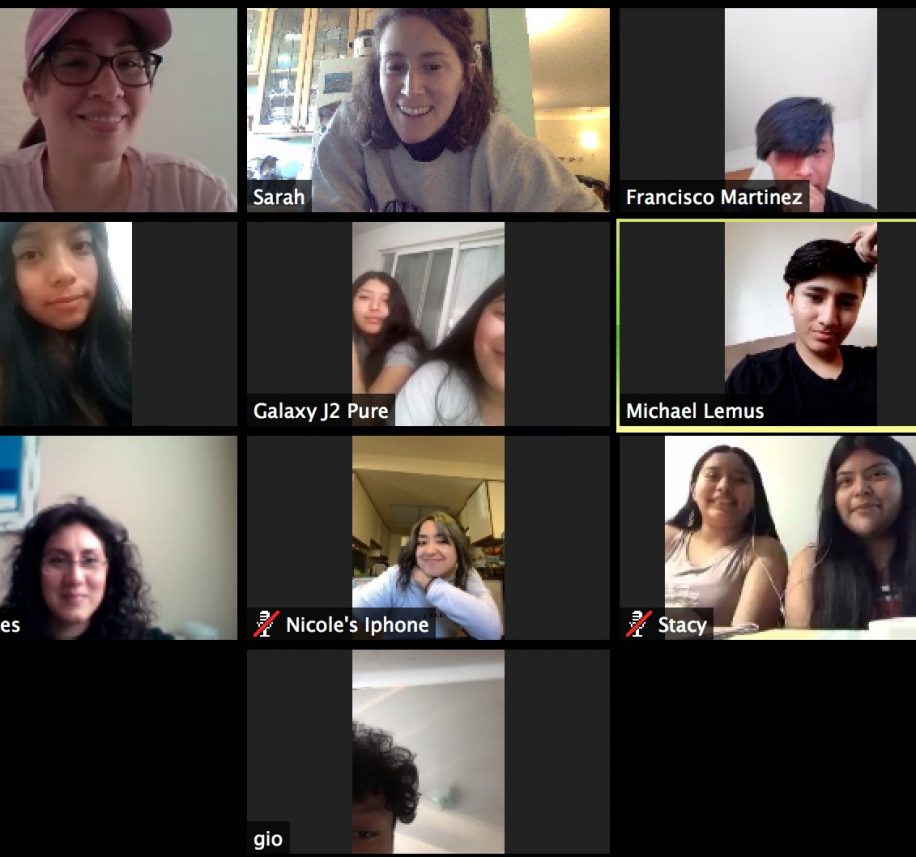
We held regular virtual sessions with our YJRT participants over Zoom to cover concepts, such as the voting process, immigration and voting, community education, and crafting their resumes for the internships they have now secured. Internship sites include: the Port of Seattle, Consulate of Guatemala, Sunrise, Global Visionaries, and El Centro de la Raza.

The YJRT program is not only providing these virtual training sessions to the students but also addressing their essential needs. YJRT families have voiced their concerns about eviction. To prevent evictions, we have been helping them complete rental assistance applications. To help mitigate struggling families’ crises, for instance, we are providing rental and grocery assistance and access to job opportunities. Mil gracias to our funders and individual contributors for making these emergency services possible to our community: rental assistance, a $100 Safeway gift card, the Plate Fund, Bank of America, and MAF.

While we are all experiencing chaotic and challenging circumstances because of the COVID-19 pandemic, parental participation has been nearly perfect. We focus on helping families become economically self-sufficient and providing students and parents with daily emotional support. They are grateful to have someone listen to them or to whom they can talk.

Help your Community Recover from COVID-19

In the span of a few months, COVID-19 has devastated our communities. We have seen record-breaking numbers of people applying for unemployment. Every day new stories are circulating about how individuals and families are struggling to pay bills, rent, or even groceries to feed their children. Our society, particularly communities of color, will be feeling the effects of COVID-19 for years to come.

One of the most effective actions you can take right now is to invest in the future of your community: completing the Census. Filling out the questionnaire is quick and easy; it takes fewer than 10 minutes. By completing the Census now, you are helping to ensure your community has access to resources, such as:

  • Invaluable assistance programs like Medicaid, SNAP, and WIC.
  • Adequately-funded schools where there are enough teachers hired to give each student the attention they need.
  • Adequately-funded research centers that conduct life-saving studies. 
  • Expansion of public transit services to communities that need a reliable mode of transportation to commute to work, school, grocery stores, libraries, and more.
  • Community-based organizations, like El Centro de la Raza, can continue to provide culture-specific services and other resources to the most vulnerable of our community.

Like COVID-19, the effects of the 2020 Census will reverberate throughout every community for the next decade, which means accuracy is critical. By filling out 9 short questions, you are investing in the future of your community. Please fill it out today by either visiting https://my2020census.gov/ or calling 1-844-330-2020 (English) or 1-844-468-2020 (Spanish). Assistance in 12 other languages is available.

¡Ayuda a tu comunidad a recuperarse del COVID-19!

En el lapso de unos pocos meses, COVID-19 ha devastado nuestras comunidades. Hemos visto un número sin precedentes de personas que solicitan desempleo. Todos los días circulan nuevas historias sobre cómo las personas y las familias luchan para pagar facturas, renta, o comida para alimentar a sus hijos. Nuestra sociedad, particularmente las comunidades de color, sentirán los efectos de COVID-19 en los años venideros.

Una de las acciones más efectivas que pueden tomar en este momento es invertir en el futuro de su comunidad: completar el Censo. Completar el cuestionario es rápido y fácil; Toma menos de 10 minutos. Al completar el Censo ahora, está ayudando a garantizar que su comunidad tenga acceso a recursos, tales como:

  • Programas de asistencia invaluables como Medicaid, SNAP y WIC.
  • Escuelas, como el Centro de Desarrollo Infantil JosĂ© MartĂ­, donde hay suficientes maestros contratados para brindar a cada estudiante la atenciĂłn que necesitan.
  • Los centros de investigaciĂłn reciben fondos adecuados para hacer estudios que salvan vidas.
  • ExpansiĂłn de los servicios de transporte pĂşblico a las comunidades que necesitan un medio de transporte confiable para ir al trabajo, la escuela, los supermercados, las bibliotecas y más.
  • Las organizaciones comunitarias, como El Centro de la Raza, pueden continuar brindando servicios especĂ­ficos de la cultura y otros recursos a los más vulnerables de nuestra comunidad.

Al igual que COVID-19, los efectos del Censo 2020 reverberarán en todas las comunidades durante la próxima década, lo que significa que la precisión es crítica. Al completar 12 preguntas cortas, está invirtiendo en el futuro de su comunidad. Llénelo hoy visitando https://my2020census.gov/ o llamando al 1-844-330-2020 (inglés) o al 1-844-468-2020 (español). Asistencia en otros 12 idiomas está disponible.

Say Their Names

John T. Williams 8/30/2010
Eric Blaine Evans 10/23/2011
Mike Kwan-Yu Chen 09/10/2012
Henry Frankie Lee, Sr. 09/23/2012
James David Anderson 01/27/2013
Jack Sun Keewatinawin 02/26/2013
Joel Douglas Reuter 07/05/2013
Martin Anwar Duckworth 08/12/2013
Leonid G. Kalyuzhnyy 11/29/2013
Andrew Joseph Law 01/20/2014
Cody Willis Spafford 04/03/2014
Oscar Eduardo Perez-Giron 06/30/2014
Austin James Derby 07/01/2014
Larry Andrew Flynn 07/20/2014
Stephen Porter Johnston 08/30/2014
Sam Toshiro Smith 07/17/2015
Shun Ma 12/03/2015
Raymond Azevedo 12/06/2015
Che Andre Taylor 02/21/2016
Michael L. Taylor 10/11/2016
Damarius Butts 04/20/2017
Charleena Lyles 06/18/2017
Kyle Gray 12/11/2017
Jason Seavers 02/19/2018
Iosia Faletogo 12/31/2018
Danny Rodriguez 02/07/2019
Ryan Smith 05/08/2019
Elliott Yearby 12/16/2019 (died in a crash after police pursuit)
Shaun Fuhr on 4/29/2020
Unnamed 05/19/2020

These names are of local victims who have died at the hands of the Seattle Police Department (SPD). These individuals did not make national headlines. Not only must we remember them, but also realize this list is indicative that the City of Seattle faces challenges similar to that of other cities where Black Americans’ lives are ended too soon because of racist violence and brutality. Say their names.

Since 2012, SPD has been under a federal agreement, also known as the federal Consent Decree, due to officers’ use of force and discriminatory policing particularly in communities of color. Under this settlement, SPD agreed to terms that addressed specific issues around police discipline, accountability, force, and community oversight. The City fell out of compliance with the Consent Decree last year because of the lack of police accountability. The court found that “the old accountability system [was] inadequate for purposes of compliance with the Consent Decree.” The City, the Department of Justice, the Monitor, and the CPC were ordered to collaborate and create a plan by July 15, 2019 to “resolve the City’s non-compliance with the Consent Decree.” On August 15, with no collaboration with the Community Police Commission (CPC), the City asked the court to approve its methodology for assessing the current accountability regime. The court warned that the City should not use its forthcoming assessment to “justify its current accountability system.”

On May 7, the City of Seattle and the Department of Justice filed a request with the court to terminate its commitments under the Consent Decree. To this day, the City has yet to formulate a methodology for coming back into compliance with the issue of accountability, as ordered in 2019. Then, the heinous, tragic murder of George Floyd happened and widespread protests ensued across the country, including in Seattle. SPD arrived in riot gear, used tear gas on demonstrators, pepper-sprayed a little girl, and threw blast balls into peaceful crowds.

SPD’s recent militant responses to peaceful protestors and the unprecedented number of public complaints received by the Office of Police Accountability (OPA) that now exceed 15,000 make it clear that the City of Seattle is constitutionally and morally obligated to achieve full compliance on the issue of accountability. Seattle City Attorney Pete Holmes announced on June 3 that he would withdraw the City from the pending motion to terminate the sustainment areas under the Federal Consent Decree before the court. This announcement was a victory for our community, yet our City still has an immense amount of work to do. Change is overdue, and the community needs your help to overhaul the policing system.

As protests about systemic injustice and violence against Black Americans continue, we as a community must hold SPD accountable for complying with its court-ordered police reforms. To that end, the Seattle Community Police Commission (CPC) shared its recommendations for the next steps with the Mayor and City Council. The CPC has also submitted its legal response to the motion.

El Centro de la Raza supports the CPC’s recommendations as outlined on June 8, 2020 in a letter from the Co-chairs addressed to the offices of the Mayor and Councilmembers and Seattle Police Chief Carmen Best. The CPC recommends:

  • Immediate notification of SPD’s policy changes. The CPC can do their job more effectively if commissioners were aware of all policy changes and related memoranda issued by the City, including SPD.
  • Immediate work to address weaknesses in the police accountability system. The City’s three accountability bodies should convene to develop work plans that are comprehensive, coordinated, and compliant with the Consent Decree, starting with the development of a methodology to achieve compliance with the Consent Decree on the issue of accountability. The CPC expects the City to allocate adequate resources to oversight agencies and to ensure, at minimum, all the reforms in the 2017 Accountability Law are incorporated in the bargaining agendas with both Seattle Police Officers Guild and Seattle Police Management Association, including a mutually approved technical advisor to be at the table during bargaining. Only then can the CPC do its job.
  • Empowerment to the CPC to fulfill its mission. The CPC welcomes a meaningful, sustained partnership with City partners to collaborate on projects from start to completion regarding roles, responsibilities, expectations, and execution.
  • The City to address the role of an independent police monitor, as the federal court had ordered. The City has recently informed the Monitor that its contract is ending soon. However, the City has not yet conferred with the CPC about the Monitor’s ongoing role.
  • Support of King County’s inquest reforms. The City should not only withdraw its writ challenging the inquest process, but it should immediately work with the CPC to support the reforms.

We ask you to join us in supporting the CPC’s recommendations detailed in their letter to make meaningful, sustainable change in our policing system that has failed the general public. Yesterday we closed in solidarity with Black Lives Matter Seattle-King County (BLMSKC) in support of the Statewide Silent March and General Strike. We were silent yesterday and today we resume efforts using our collective voices. Please contact elected officials by phone and email to express your support using the following script:

Dear Mayor Durkan and Seattle City Councilmembers,

I call on you to respond to the CPC’s recommendations sent on June 8 in public support of their recommendations for the next steps in healing the mistrust toward local law enforcement and setting a precedent to protect Black and Brown lives. My demand is simple: ensure a thorough, transparent, and community-centered process for strengthening our relationship with the City by investing in social service providers trained to handle crises and issues relating to education, healthcare including mental health services, employment, and affordable housing. Thank you.

Sincerely,

[Insert your full name here]
[Insert your district number after verifying it
here]

Eduardo’s Story

Eduardo* is a student at Seattle World School, and he lives in South Seattle with his dad. Sadly, on April 8, his dad – the sole provider – was admitted to ICU at Harborview Medical Center for COVID-19. His father has been in ICU since then. Alone and devastated, Eduardo hopes his father will recover from the novel coronavirus soon and come home.

Eduardo had to take on yard work to pay the bills while attending virtual school with zero income coming in and little groceries stocked. That side job was not enough to begin covering rent. So, Eduardo reached out to our Systems Navigator team for emergency assistance through our Emergency Response Fund.

We spoke with Eduardo’s landlord and helped Eduardo make May rent. The landlord promised to ask the owner of the building about forgiving any amount of Eduardo’s debt. In the meantime, our staff is committed to providing Eduardo the assistance he needs by advocating for lower rent payments and ways to keep the utilities on.

As Eduardo holds out hope for his father’s recovery, he plans to enroll in Seattle City Light’s Emergency Low-Income Assistance program and attend an upcoming event, hosted by Seattle Public Schools, that will help get him set up with free Internet. While classes end next week, Eduardo had not been able to participate fully in his online classes because he did not have Internet access. He used his phone to complete school assignments.

Please consider donating to the COVID-19 Emergency Response Fund to help student-age youth like Eduardo through the pandemic. Your support means Eduardo can afford to stay in his home while his dad remains hospitalized.

Our LGBTQIAP Community Counts! / ¡Nuestra Comunidad LGBTQIAP Cuenta!

June is Pride Month, and it commemorates the Stonewall Riots that took place in 1969. An impactful way to celebrate Pride Month is to complete the Census. For the first time, the 2020 Census will allow people living in the same household to mark themselves as same-sex partners or spouses! The inclusion of this question is a result of decades of advocacy from allies and groups, such as the National LGBTQ Task Force.

The Census statistics help determine how federal funding is distributed. It is important to get an accurate count of same-sex families in our communities because it helps dispel misconceptions, such as that LGBTQIAP community only lives in large urban areas. In reality, people identifying as LGBTQIAP are part of communities everywhere. It is also important for LGBTQIAP families and households to complete the questionnaire for greater access to the services and resources they need.

According to a 2017 national survey done by the Center for American Progress, LGBTQIAP families were more likely than non-LGBTQIAP families to participate in public programs, such as SNAP, Medicaid, and unemployment benefits. Many marginalized communities have reasons to be hesitant about identifying themselves on a government form; however, the Census is safe and secure. Personal identifying information from the Census is not shared with other government agencies or landlords. You are kept anonymous: The Census Bureau is not permitted to publicly release your responses in any way that could identify you or anyone else in your home. The answers you provide are used only to produce statistics.

The Census Bureau is bound by Title 13 of the U.S. Code to keep your information safe and confidential to the Census questionnaire. Under Title 13, the Census Bureau cannot release any identifiable information about you even to law enforcement agencies. The law ensures your responses cannot be used against you by any government agency or court. Violating Title 13 is a federal crime, punishable by prison time and/or a fine of up to $250,000.

If you have questions about filling out the Census or need help completing it, call Dulce at (206) 957-4605.

Junio ​​es el Mes del Orgullo de la comunidad LGBTQIAP, y conmemora los alborotos de Stonewall que tuvieron lugar en 1969. Una forma impactante de celebrar el Mes del Orgullo es completar el Censo. ¡Por primera vez, el Censo 2020 permitirá que las personas que viven en el mismo hogar se marquen como parejas o conyuge del mismo sexo! La inclusión de esta pregunta es el resultado de décadas de defensa de aliados y grupos, como el Grupo de Trabajo Nacional LGBTQ.

Las estadísticas del censo ayudan a determinar cómo se distribuyen los fondos federales. Es importante obtener un recuento exacto de las familias del mismo sexo en nuestras comunidades porque ayuda a disipar conceptos erróneos, como que la comunidad LGBTQIAP solo vive en grandes áreas urbanas. En realidad, las personas que se identifican como LGBTQIAP son parte de comunidades en todas partes. También es importante que las familias y los hogares LGBTQIAP completen el cuestionario para tener un mejor acceso a los servicios y recursos que necesitan.

Según una encuesta nacional de 2017 realizada por el Centro del Progreso Americano, las familias LGBTQIAP eran más propensas que las familias que no se identifican LGBTQIAP a participar en programas públicos, como SNAP, Medicaid y beneficios de desempleo. Muchas comunidades marginadas tienen razones para dudar en identificarse en un formulario gubernamental; sin embargo, el censo es seguro y protegido. La información de identificación personal del Censo no se comparte con otras agencias gubernamentales o propietarios. Te mantienen anomino: la Oficina del Censo no tiene permitido publicar sus respuestas de ninguna manera que pueda identificarlo a usted u otra persona en su hogar. Las respuestas que proporciona solo se utilizan para generar estadísticas.

La Oficina del Censo está obligada por el Título 13 del Código de los Estados Unidos a mantener su información segura y confidencial al cuestionario del Censo. Según el Título 13, la Oficina del Censo no puede divulgar ninguna información identificable sobre usted, incluso a las agencias de aplicación de la ley. La ley garantiza que sus respuestas no puedan ser utilizadas en su contra por ninguna agencia gubernamental o tribunal. Violar el Título 13 es un delito federal, punible con prisión y / o una multa de hasta $ 250,000.

Si tiene preguntas sobre cĂłmo completar el Censo o necesita ayuda para completarlo, puede llamar a Dulce al (206) 957-4605.

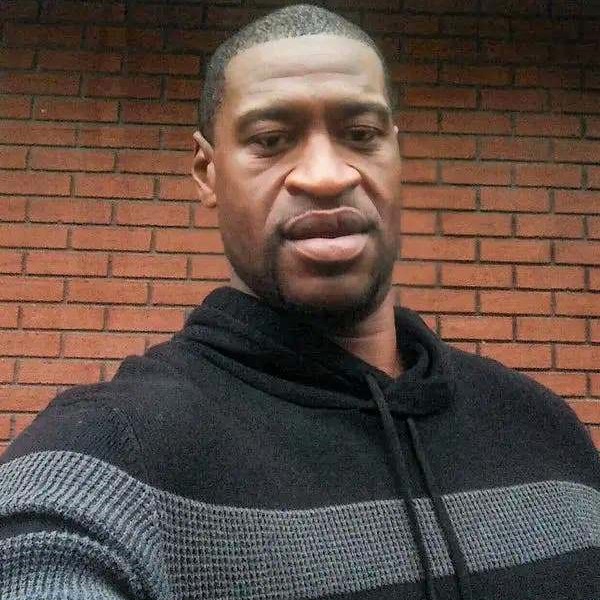
El Centro de la Raza’s Public Statement on the Murder of George Floyd

Haga clic aquí para leer en Español.

The modern-day lynching of George Floyd by Minneapolis police is a devastating tragedy. Nearly six years after Eric Garner’s death in New York, the horrifying scenes captured on video and the eerily reminiscent cries of “I can’t breathe” demonstrate an absence of meaningful change as police continue to take the lives of Black people with callous brutality.

El Centro de la Raza condemns the senseless murder of George Floyd – in the strongest possible terms – as we remember Breonna Tayor, Ahmaud Arbery, Eric Garner, Sandra Bland, 12-year-old Tamir Rice, and Philando Castile; at a local level, we remember John T. Williams, Che Taylor, Charleena Lyles, and countless others whose names never made headlines but whose lives were also cut short by anti-Black racism and police violence.

We stand in solidarity with our Black brothers and sisters in saying enough is enough; the time for change is overdue. We demand justice and accountability, not only for the perpetrator, but also for the other officers who stood by in silence. We demand better from our leaders to stop police brutality for our children, families, and communities. There is no excuse to look the other way; no excuse to be complicit; no excuse to oppress communities of color to uphold white supremacy. It falls on us collectively to organize and mobilize.

The waves of uprisings that have ignited across the country is a natural culmination of the anger and pain at the continuous racial terror and violence that police regularly perpetuate in our Black communities. Pain exacerbated by the COVID-19 pandemic, which has disproportionally ravaged the Black community, and a deep economic crisis is hitting those hardest who are at the bottom of the economic ladder.

At the same time, it has been deeply disturbing to witness the frequently violent responses by police toward protestors. Police have violently charged peaceful protestors, driven police vehicles through crowds, shot rubber bullets, sprayed protesters with harmful gases, and punched, kicked, beaten, arrested, and detained people for doing nothing wrong. These assaults on protesters are unacceptable violence. Our communities should be able to protest injustices in our streets without suffering from police violence and militarized responses.

El Centro de la Raza is committed to combatting institutional racism and police brutality in all its forms. Despite decades of effort through multi-racial coalitions to address police misconduct, which has yielded some successes, we are challenged to recognize that our communities are still plagued with police brutality, which was evident this past weekend.

Twelve thousand (12,000) complaints were filed after this past weekend’s demonstrations with Seattle’s Office of Police Accountability. One complaint included an officer placing his knee on the neck area of two people who had been arrested. All this despite the Seattle Police Department (SPD) being under a Federal Consent Decree.

Several weeks ago, the City of Seattle filed a motion with the court to terminate the sustainment areas under the Federal Consent Decree, stating that the Police Department had achieved full and effective compliance for two years under ten key areas. Police Accountability continues to be an area that needs to be addressed by the City.

Discipline and Use of Force are two other areas within the sustainment plan, which should clearly remain on the table for the community, especially in light of the recent and ongoing events that have transpired in Seattle since this past weekend’s protest, and as noted in the sheer number of complaints received in the last few days by the OPA.

In 2015 and 2016, the Community Police Commission submitted recommendations to the use of blast-balls during demonstrations to the Mayor and SPD. Those recommendations are still relevant and necessary. The Mayor’s Office has not fleshed out a methodology for sustaining the reforms needed, and sadly, the need for this has now become front and centered over the weekend.

We will continue to work with Black Leaders and other leaders of color to call for concrete policy proposals to address systemic targeting and violence against Black communities. These policy proposals should include de-militarization, budget reductions, and enhanced transparency, particularly around misconduct and community oversight of police functions.

More often than not, police budgets comprise a significant proportion of discretionary spending and grow steadily year on year. The scope, militarization, and intensity of law enforcement have rapidly increased. In contrast, police have been mistakenly tasked with addressing social problems within communities of color, such as education, mental health, homelessness, and drug abuse.

These dynamics have, in turn, resulted in the criminalization and over-policing of communities of color, often with destructive and deadly consequences and minimal accountability for wrongdoing. As allies, our job is to work with the Black community to demand resources that are invested in Black communities in ways that enhance public safety and enrich our communities rather than simply expand and further militarize police ranks.

The United States is not yet a place where Black lives matter as equally as they must. As we raise our collective voices to demand justice for George Floyd and his family, we do so in continued support and solidarity with the Black Lives Matter movement. We will support this movement until Black people no longer have to encounter police violence and die at the hands of law enforcement; until they no longer experience higher levels of poverty, income inequality, lack of access to jobs, and when they no longer face discrimination in housing, educational segregation, and limited access to public transportation.

The complex, hard, and necessary work to undo decades of discrimination and prejudice requires unity, leadership, and action. We will continue to work with Black community leaders and other leaders of color towards creating a more inclusive, safe, and just nation, which we believe the vast majority of Americans want. We stand ready to pursue the policy changes that will begin to root out the structural racism and injustice that led to George Floyd’s tragic death and those of many others.

Ways to take action now
ď‚· Donate to the George Floyd Memorial Fund.
ď‚· Donate to the Minnesota Freedom Fund.
ď‚· Donate to Black Visions Collective.
ď‚· Donate funds or supplies to the healthcare workers aiding and protecting protestors (Northstar Health Collective Medics).
ď‚· Support the activists working on the frontlines in Minnesota (Reclaim the Block).
 Register to vote or update your voter registration information by visiting your state’s Secretary of State’s website (King County | Washington State).

The Census and You! / ¡Tu y el Censo!

For months, many organizations have been promoting the Census, saying that it affects our everyday lives, but how do the outcomes affect you and on what scale? The Census determines each state’s apportionment of seats in Congress, how our districts are shaped, and the amount of federal funding for local health and social services that support our Beloved Community’s families in need. The Census also influences:

  • Where factories and their retail stores are built
  • Which types of products stores carry and in what quantities
  • Where bus stops and routes are placed
  • Where new homes are built and neighborhoods will go
  • Whether to fix roads and bridges
  • The availability of public benefits, including food stamps and health insurance
  • The number of teachers at each school
  • The number and placement of stoplights and streetlights, including in which communities

These examples are everyday things that will be shaped by your responses to the Census. That is why getting a complete count matters. Every 10 years, people across the country, including in Washington State, complete the Census to calculate an accurate count of all people in the United States.

Filling out the Census is easier than ever before, and it can be done in ten or fewer minutes. Simply go to https://my2020census.gov/ and select one of the 13 languages to fill out the Census. If you or someone you love needs help completing the Census, reach out to us at 206-957-4605.

Por varios meces, muchas organizaciones han estado promoviendo el censo, y han dicho que el censo afecta nuestras vidas cada dĂ­a, pero ÂżcĂłmo te afectan los resultados y en que escala? El censo determina el nĂşmero de representantes en cada estado para el congreso, determina como cada distrito o ciudades en los estados son formados, y la cantidad de fondos federales que están localizados para cosas como servicios sociales y para servicios de salud que ayudan nuestros familias y comunidades con necesidades.  El Censo tambiĂ©n tiene influencia sobre:

  • Donde fábricas y sus tiendas están construidas
  • Que tipos de productos cargan y cuantas cantidades
  • Donde las paradas del autobĂşs y rutas están localizados
  • Donde nuevas casas están construidas y en cuales vecindades se ponen
  • Cuales calles o puentes que arreglar
  • Disponibilidad de beneficios pĂşblicos, incluyendo estampĂ­as de comida o seguranza de salud
  • El nĂşmero de maestras en cada escuela
  • El nĂşmero y colocaciĂłn de luces de tráfico y luces de la calle y en cuales comunidades se ponen

Estos ejemplos son cosas que pueden estar modelas por sus respuestas al censo. Por eso es muy importante de contar cada persona. Cada diez años, personas en todo el país completan el censo para calcular precisamente toda la gente en los Estados Unidos.

Llenando el censo es fácil y puede estar completado en menos de diez minutos. Simplemente visite el sitio https://my2020census.gov/ y seleccioné uno de los 13 idiomas para llenar el censo. Si tu o alguien que usted quiere necesita ayuda llenando el censo llámenos a el número 206-957-4605.