Eduardo’s Story

Eduardo* is a student at Seattle World School, and he lives in South Seattle with his dad. Sadly, on April 8, his dad – the sole provider – was admitted to ICU at Harborview Medical Center for COVID-19. His father has been in ICU since then. Alone and devastated, Eduardo hopes his father will recover from the novel coronavirus soon and come home.

Eduardo had to take on yard work to pay the bills while attending virtual school with zero income coming in and little groceries stocked. That side job was not enough to begin covering rent. So, Eduardo reached out to our Systems Navigator team for emergency assistance through our Emergency Response Fund.

We spoke with Eduardo’s landlord and helped Eduardo make May rent. The landlord promised to ask the owner of the building about forgiving any amount of Eduardo’s debt. In the meantime, our staff is committed to providing Eduardo the assistance he needs by advocating for lower rent payments and ways to keep the utilities on.

As Eduardo holds out hope for his father’s recovery, he plans to enroll in Seattle City Light’s Emergency Low-Income Assistance program and attend an upcoming event, hosted by Seattle Public Schools, that will help get him set up with free Internet. While classes end next week, Eduardo had not been able to participate fully in his online classes because he did not have Internet access. He used his phone to complete school assignments.

Please consider donating to the COVID-19 Emergency Response Fund to help student-age youth like Eduardo through the pandemic. Your support means Eduardo can afford to stay in his home while his dad remains hospitalized.

Our LGBTQIAP Community Counts! / ¡Nuestra Comunidad LGBTQIAP Cuenta!

June is Pride Month, and it commemorates the Stonewall Riots that took place in 1969. An impactful way to celebrate Pride Month is to complete the Census. For the first time, the 2020 Census will allow people living in the same household to mark themselves as same-sex partners or spouses! The inclusion of this question is a result of decades of advocacy from allies and groups, such as the National LGBTQ Task Force.

The Census statistics help determine how federal funding is distributed. It is important to get an accurate count of same-sex families in our communities because it helps dispel misconceptions, such as that LGBTQIAP community only lives in large urban areas. In reality, people identifying as LGBTQIAP are part of communities everywhere. It is also important for LGBTQIAP families and households to complete the questionnaire for greater access to the services and resources they need.

According to a 2017 national survey done by the Center for American Progress, LGBTQIAP families were more likely than non-LGBTQIAP families to participate in public programs, such as SNAP, Medicaid, and unemployment benefits. Many marginalized communities have reasons to be hesitant about identifying themselves on a government form; however, the Census is safe and secure. Personal identifying information from the Census is not shared with other government agencies or landlords. You are kept anonymous: The Census Bureau is not permitted to publicly release your responses in any way that could identify you or anyone else in your home. The answers you provide are used only to produce statistics.

The Census Bureau is bound by Title 13 of the U.S. Code to keep your information safe and confidential to the Census questionnaire. Under Title 13, the Census Bureau cannot release any identifiable information about you even to law enforcement agencies. The law ensures your responses cannot be used against you by any government agency or court. Violating Title 13 is a federal crime, punishable by prison time and/or a fine of up to $250,000.

If you have questions about filling out the Census or need help completing it, call Dulce at (206) 957-4605.

Junio ​​es el Mes del Orgullo de la comunidad LGBTQIAP, y conmemora los alborotos de Stonewall que tuvieron lugar en 1969. Una forma impactante de celebrar el Mes del Orgullo es completar el Censo. ¡Por primera vez, el Censo 2020 permitirá que las personas que viven en el mismo hogar se marquen como parejas o conyuge del mismo sexo! La inclusión de esta pregunta es el resultado de décadas de defensa de aliados y grupos, como el Grupo de Trabajo Nacional LGBTQ.

Las estadísticas del censo ayudan a determinar cómo se distribuyen los fondos federales. Es importante obtener un recuento exacto de las familias del mismo sexo en nuestras comunidades porque ayuda a disipar conceptos erróneos, como que la comunidad LGBTQIAP solo vive en grandes áreas urbanas. En realidad, las personas que se identifican como LGBTQIAP son parte de comunidades en todas partes. También es importante que las familias y los hogares LGBTQIAP completen el cuestionario para tener un mejor acceso a los servicios y recursos que necesitan.

Según una encuesta nacional de 2017 realizada por el Centro del Progreso Americano, las familias LGBTQIAP eran más propensas que las familias que no se identifican LGBTQIAP a participar en programas públicos, como SNAP, Medicaid y beneficios de desempleo. Muchas comunidades marginadas tienen razones para dudar en identificarse en un formulario gubernamental; sin embargo, el censo es seguro y protegido. La información de identificación personal del Censo no se comparte con otras agencias gubernamentales o propietarios. Te mantienen anomino: la Oficina del Censo no tiene permitido publicar sus respuestas de ninguna manera que pueda identificarlo a usted u otra persona en su hogar. Las respuestas que proporciona solo se utilizan para generar estadísticas.

La Oficina del Censo está obligada por el Título 13 del Código de los Estados Unidos a mantener su información segura y confidencial al cuestionario del Censo. Según el Título 13, la Oficina del Censo no puede divulgar ninguna información identificable sobre usted, incluso a las agencias de aplicación de la ley. La ley garantiza que sus respuestas no puedan ser utilizadas en su contra por ninguna agencia gubernamental o tribunal. Violar el Título 13 es un delito federal, punible con prisión y / o una multa de hasta $ 250,000.

Si tiene preguntas sobre cĂłmo completar el Censo o necesita ayuda para completarlo, puede llamar a Dulce al (206) 957-4605.

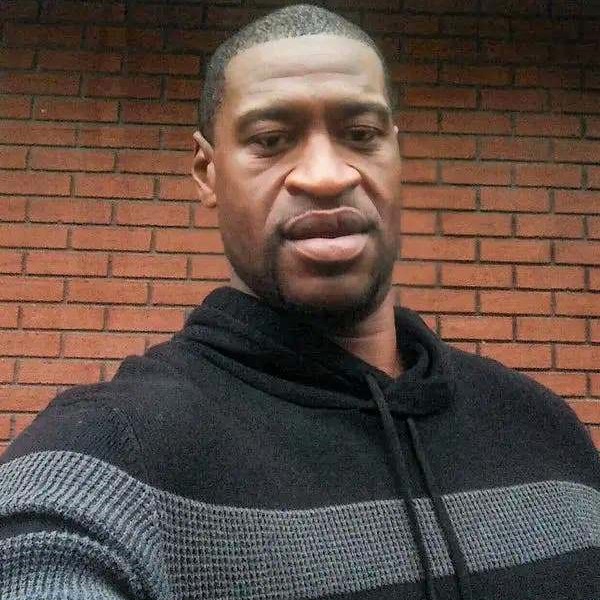
El Centro de la Raza’s Public Statement on the Murder of George Floyd

Haga clic aquí para leer en Español.

The modern-day lynching of George Floyd by Minneapolis police is a devastating tragedy. Nearly six years after Eric Garner’s death in New York, the horrifying scenes captured on video and the eerily reminiscent cries of “I can’t breathe” demonstrate an absence of meaningful change as police continue to take the lives of Black people with callous brutality.

El Centro de la Raza condemns the senseless murder of George Floyd – in the strongest possible terms – as we remember Breonna Tayor, Ahmaud Arbery, Eric Garner, Sandra Bland, 12-year-old Tamir Rice, and Philando Castile; at a local level, we remember John T. Williams, Che Taylor, Charleena Lyles, and countless others whose names never made headlines but whose lives were also cut short by anti-Black racism and police violence.

We stand in solidarity with our Black brothers and sisters in saying enough is enough; the time for change is overdue. We demand justice and accountability, not only for the perpetrator, but also for the other officers who stood by in silence. We demand better from our leaders to stop police brutality for our children, families, and communities. There is no excuse to look the other way; no excuse to be complicit; no excuse to oppress communities of color to uphold white supremacy. It falls on us collectively to organize and mobilize.

The waves of uprisings that have ignited across the country is a natural culmination of the anger and pain at the continuous racial terror and violence that police regularly perpetuate in our Black communities. Pain exacerbated by the COVID-19 pandemic, which has disproportionally ravaged the Black community, and a deep economic crisis is hitting those hardest who are at the bottom of the economic ladder.

At the same time, it has been deeply disturbing to witness the frequently violent responses by police toward protestors. Police have violently charged peaceful protestors, driven police vehicles through crowds, shot rubber bullets, sprayed protesters with harmful gases, and punched, kicked, beaten, arrested, and detained people for doing nothing wrong. These assaults on protesters are unacceptable violence. Our communities should be able to protest injustices in our streets without suffering from police violence and militarized responses.

El Centro de la Raza is committed to combatting institutional racism and police brutality in all its forms. Despite decades of effort through multi-racial coalitions to address police misconduct, which has yielded some successes, we are challenged to recognize that our communities are still plagued with police brutality, which was evident this past weekend.

Twelve thousand (12,000) complaints were filed after this past weekend’s demonstrations with Seattle’s Office of Police Accountability. One complaint included an officer placing his knee on the neck area of two people who had been arrested. All this despite the Seattle Police Department (SPD) being under a Federal Consent Decree.

Several weeks ago, the City of Seattle filed a motion with the court to terminate the sustainment areas under the Federal Consent Decree, stating that the Police Department had achieved full and effective compliance for two years under ten key areas. Police Accountability continues to be an area that needs to be addressed by the City.

Discipline and Use of Force are two other areas within the sustainment plan, which should clearly remain on the table for the community, especially in light of the recent and ongoing events that have transpired in Seattle since this past weekend’s protest, and as noted in the sheer number of complaints received in the last few days by the OPA.

In 2015 and 2016, the Community Police Commission submitted recommendations to the use of blast-balls during demonstrations to the Mayor and SPD. Those recommendations are still relevant and necessary. The Mayor’s Office has not fleshed out a methodology for sustaining the reforms needed, and sadly, the need for this has now become front and centered over the weekend.

We will continue to work with Black Leaders and other leaders of color to call for concrete policy proposals to address systemic targeting and violence against Black communities. These policy proposals should include de-militarization, budget reductions, and enhanced transparency, particularly around misconduct and community oversight of police functions.

More often than not, police budgets comprise a significant proportion of discretionary spending and grow steadily year on year. The scope, militarization, and intensity of law enforcement have rapidly increased. In contrast, police have been mistakenly tasked with addressing social problems within communities of color, such as education, mental health, homelessness, and drug abuse.

These dynamics have, in turn, resulted in the criminalization and over-policing of communities of color, often with destructive and deadly consequences and minimal accountability for wrongdoing. As allies, our job is to work with the Black community to demand resources that are invested in Black communities in ways that enhance public safety and enrich our communities rather than simply expand and further militarize police ranks.

The United States is not yet a place where Black lives matter as equally as they must. As we raise our collective voices to demand justice for George Floyd and his family, we do so in continued support and solidarity with the Black Lives Matter movement. We will support this movement until Black people no longer have to encounter police violence and die at the hands of law enforcement; until they no longer experience higher levels of poverty, income inequality, lack of access to jobs, and when they no longer face discrimination in housing, educational segregation, and limited access to public transportation.

The complex, hard, and necessary work to undo decades of discrimination and prejudice requires unity, leadership, and action. We will continue to work with Black community leaders and other leaders of color towards creating a more inclusive, safe, and just nation, which we believe the vast majority of Americans want. We stand ready to pursue the policy changes that will begin to root out the structural racism and injustice that led to George Floyd’s tragic death and those of many others.

Ways to take action now
ď‚· Donate to the George Floyd Memorial Fund.
ď‚· Donate to the Minnesota Freedom Fund.
ď‚· Donate to Black Visions Collective.
ď‚· Donate funds or supplies to the healthcare workers aiding and protecting protestors (Northstar Health Collective Medics).
ď‚· Support the activists working on the frontlines in Minnesota (Reclaim the Block).
 Register to vote or update your voter registration information by visiting your state’s Secretary of State’s website (King County | Washington State).
The Census and You! / ¡Tu y el Censo!

For months, many organizations have been promoting the Census, saying that it affects our everyday lives, but how do the outcomes affect you and on what scale? The Census determines each state’s apportionment of seats in Congress, how our districts are shaped, and the amount of federal funding for local health and social services that support our Beloved Community’s families in need. The Census also influences:

  • Where factories and their retail stores are built
  • Which types of products stores carry and in what quantities
  • Where bus stops and routes are placed
  • Where new homes are built and neighborhoods will go
  • Whether to fix roads and bridges
  • The availability of public benefits, including food stamps and health insurance
  • The number of teachers at each school
  • The number and placement of stoplights and streetlights, including in which communities

These examples are everyday things that will be shaped by your responses to the Census. That is why getting a complete count matters. Every 10 years, people across the country, including in Washington State, complete the Census to calculate an accurate count of all people in the United States.

Filling out the Census is easier than ever before, and it can be done in ten or fewer minutes. Simply go to https://my2020census.gov/ and select one of the 13 languages to fill out the Census. If you or someone you love needs help completing the Census, reach out to us at 206-957-4605.

Por varios meces, muchas organizaciones han estado promoviendo el censo, y han dicho que el censo afecta nuestras vidas cada dĂ­a, pero ÂżcĂłmo te afectan los resultados y en que escala? El censo determina el nĂşmero de representantes en cada estado para el congreso, determina como cada distrito o ciudades en los estados son formados, y la cantidad de fondos federales que están localizados para cosas como servicios sociales y para servicios de salud que ayudan nuestros familias y comunidades con necesidades.  El Censo tambiĂ©n tiene influencia sobre:

  • Donde fábricas y sus tiendas están construidas
  • Que tipos de productos cargan y cuantas cantidades
  • Donde las paradas del autobĂşs y rutas están localizados
  • Donde nuevas casas están construidas y en cuales vecindades se ponen
  • Cuales calles o puentes que arreglar
  • Disponibilidad de beneficios pĂşblicos, incluyendo estampĂ­as de comida o seguranza de salud
  • El nĂşmero de maestras en cada escuela
  • El nĂşmero y colocaciĂłn de luces de tráfico y luces de la calle y en cuales comunidades se ponen

Estos ejemplos son cosas que pueden estar modelas por sus respuestas al censo. Por eso es muy importante de contar cada persona. Cada diez años, personas en todo el país completan el censo para calcular precisamente toda la gente en los Estados Unidos.

Llenando el censo es fácil y puede estar completado en menos de diez minutos. Simplemente visite el sitio https://my2020census.gov/ y seleccioné uno de los 13 idiomas para llenar el censo. Si tu o alguien que usted quiere necesita ayuda llenando el censo llámenos a el número 206-957-4605.

People over Profit during COVID-19

The pandemic is not dishing out its damage equally. Across Washington State, including King County, not all workers have the luxury or privilege to work from home. While working from home during the West Coast’s worst outbreak, farmworkers in Yakima Valley are getting pushed back to the frontlines to maintain our country’s food supply. We are ordered to protect ourselves and prevent the spread of COVID-19 by social distancing and self-isolation, yet the working conditions for farmworkers make those measures nearly impossible.

Farmworkers in the Yakima Valley are concerned about their employers’ weak enforcement of social distancing and sanitation procedures. As essential workers, they are requesting basic protections for all farmworkers during the COVID-19 pandemic. Seeing no progress or promise in sight, farmworkers across six fruit processing plants in the Yakima Valley are peacefully striking back against substandard working conditions. They are asking for the minimum protections:

  • Specific measures to guarantee their health and safety
  • To stop employer retaliation if a worker complains about safety measures not being enforced
  • Hazard pay to reflect the risks they are taking as essential workers, and a permanent hourly wage increase to a just wage that extends beyond the timeframe of the pandemic

Before COVID-19’s onset, farmworkers’ work was characterized by low wages and no benefits, short terms of laborious employment, poor sanitation, and inadequate housing. Today, farmworkers are feeding our communities during a pandemic. They are not expendable and never have been. Yet, during COVID-19, they have to advocate for proper enforcement of protocols to protect fellow essential workers. You can do something to help farmworkers protect their livelihood amidst the COVID-19 crisis:

  1. Take one minute today to tell Governor Inslee to take immediate action to protect Washington State’s farmworkers
  2. Contacting the plant sites and urging them to negotiate with their workers, rather than retaliating against them for striking:
    – Allan Bros. Fruit in Naches, WA | (509) 653-2625
    – Hansen Fruit in Yakima, WA | (509) 457-4153
    – Jack Frost Fruit Co. in Yakima, WA | (509) 248-5231
    – Matson Fruit Co. in Selah, WA | (509) 697-7100
    – Monson Fruit Co. in Selah, WA | (509) 697-9175
    – Columbia Reach in Yakima, WA | (509) 457-8001
  3. Donating to farmworkers’ cause whether through their general GoFundMe page or individual pages by specific sites:
    General GoFundMe
    Matson Fruit
    Monson Fruit
    Jack Frost

Yakima County is the new epicenter of the global pandemic on the West Coast. We are not on the road to recovery until each community receives the assistance they need to make it through the COVID-19 crisis. As Governor Inslee begins our state’s economic recovery efforts, we must not forget the people in our communities that call Washington home. Please join us in taking action.

Update: Emergency Response Fund

Mil gracias to our generous GiveBIG 286 donors who gave to our COVID-19 Emergency Response Fund. You helped raise over $46,000! The Beloved Community’s support makes it possible to provide emergency assistance to families hit hardest by the pandemic. Mil gracias again for your generosity, compassion, and support! The needs continue to grow daily, so please consider making a donation if you have not already.

Due to our community’s needs, our staff have received cross-training to address and respond to assistance requests in a way that is coordinated, thorough, and streamlined. Another part of our Emergency Response Fund effort is staff following up with participants and determining their needs. Meanwhile, staff are also responding to new assistance requests.

From March 16 to May 8, our staff totaled 3,572 phone calls regarding requests for emergency assistance. We have served 150 households with housing assistance, including making rental arrangements with landlords and reminding them of the City of Seattle’s extended moratorium on evictions. We have also provided 100 households with cash assistance so that they can purchase diapers, refill prescriptions, and meet other critical needs. We have helped nearly 500 families with grocery gift cards so that they can buy groceries.

COVID-19 reveals the depths of socioeconomic disparities among racial and ethnic groups and across our systems. We are all hurting, including Latinas who are among those hit hardest by the COVID-19 job losses and the undocumented community. When a family lives paycheck to paycheck, having a job is their only safety net, especially during a pandemic. Among Hispanic or Latino people, confirmed cases jumped by nearly 10 percentage points since mid-April, to 31%, compared with their 13% share of the overall population. Undocumented workers are overrepresented in the restaurant, hospitality, landscaping, and construction industries, and they are most at risk of contracting illnesses.

Because of your support of our Emergency Response Fund, our staff will help struggling families navigate through this crisis by providing assistance with food and rent. If you have not had a chance to donate to our Emergency Response Fund, please consider making a donation now. Every dollar adds up and every dollar goes directly to families in need.

Respetuosamente,

Estela Ortega
Executive Director

Adrian’s COVID-19 Story

Adrian* worked two jobs to meet his family’s needs. Due to the pandemic, he lost one of his jobs and his family of five was significantly impacted. He lost his second job after the Stay Home Stay Healthy Order’s extension.

Adrian was increasingly stressed and concerned about their situation. He had to somehow make rent, in addition to buying groceries and paying for utilities. Your support of our Emergency Response Fund made it possible to provide Adrian’s family with food and rental assistance. He said, “Mi vida ha cambiado drásticamente por la mejor.” (English translation: “My life has changed drastically for the better.”)

Adrian feels blessed that El Centro de la Raza understands and meets the community’s needs. El Centro de la Raza is also providing Adrian’s eldest son a laptop so that he can continue his education from home.

*Individual’s name has been changed to protect their privacy and identity.

The Numbers are Coming In

Currently, King County’s response rate for the Census is 67.6%. The average for Washington State is 63.4%, and 58.1% for the country. By filling out the Census, our communities are saying that we care about what the next ten years are going to look like. Census statistics affect everything from the bus routes in our neighborhoods, the staffing at hospitals, and even who represents us in government. Every single household that fills out the Census is making a difference in their communities.

The response rate for the 2010 Census was only 70.3%. We are so close to meeting and exceeding that percentage from ten years ago. If you have a loved one that has not filled out the Census yet, let them know there is still time! The Census deadline has been extended to October 31st.

It is easier than ever before to fill out the Census. Filling it out online, over the phone, or by mail takes 10 minutes. Just visit https://my2020census.gov/ to start making a difference in your community. We still have time to make sure that every person is our community is counted. If you have any questions about filling out the Census, or need help filling it out, call us at (206) 957-4605.

Gracias, King County, for showing that you care and that we count!

¡Los números están entrando!

Actualmente, la tasa de respuesta del condado de King para el Censo es 67.6%. El promedio para el estado de Washington es 63.4% y 58.1% para el país. Al llenar el Censo, nuestras comunidades están diciendo que nos preocupa por cómo van a ser los próximos diez años. Los datos del censo afectan todos y influencia las rutas de autobuses en nuestros vecindarios, el personal en los hospitales, e inclusión quien nos representa en el gobierno. Cada hogar que llena el Censo está habiendo una diferencia en sus comunidades. La tasa de respuesta para el Censo de 2010 fue de solo el 70.3%. Estamos tan cercas de reunirnos y superar ese porcentaje de hace diez años. ¡Si usted no ha llenado el Censo, todavía hay tiempo! El plazo del Censo se ha extendido hasta el 31 de octubre.

Es demasiado fácil completar el Censo. Solo toma 10 minutos y se puede llenar en línea, por teléfono o por correo. Solo tiene que visitar https://my2020census.gov/

Para empezar a hacer una diferencia en tu comunidad. ¡Todavía tenemos tiempo para asegurarse de que cada persona cuenta! Si tiene alguna pregunta sobre como llenar el Censo, o necesita ayuda para llenarlo, llama al (206) 957-4605. ¡Muchas gracias, Condado de King, por demostrar que te importa y que contamos!

Graves Complicaciones de Salud de COVID-19

Las personas que fuman o usan cigarrillos electrónicos pueden ser más propensas a desarrollar complicaciones de salud graves debido al COVID-19. Según el NIDA de los Institutos Nacionales de Salud, el COVID-19 ataca a los pulmones y podría ser una amenaza especialmente grave para quienes fuman tabaco o marihuana o quienes usan cigarrillos electrónicos. La exposición a los aerosoles de los cigarrillos electrónicos daña las células del pulmón y disminuye la capacidad de responder a la infección.

October 31 is the New Deadline for Completing the Census (Español)

Now more than ever is it important to participate in the Census and make our voices heard. An accurate count gives communities the resources they need to support themselves for the next 10 years. The Census Bureau generates statistics based on survey responses to help determine resources for:

• Schools including our Jose Marti Child Development Center.
• Health centers and hospitals.
• Roads and public transportation.
• Political representation at the state and local level.

In ten minutes (or less), you can complete the Census online www.my2020census.gov or over the phone. By April 1, everyone should have received an invitation in the mail with a 12-digit code to fill out the Census online. If you have not received the mail invitation, you can still go online and fill out the Census without the code. Just type in your address and go! If you need help filling out the Census online, click for some quick step-by-step videos on the Census Bureau’s YouTube channel (English | Spanish).

The Census is more than just a headcount. It is the first step to making sure our communities have the resources they need to thrive. The results of this Census will shape the next ten years. No matter where you were born, where you live, how old you are, or who you are, it is important that you participate and say what you want your future to look like. So count yourself and everyone in your home. If you need assistance completing the Census, call Dulce Gutierrez at El Centro de la Raza at 206-957-4605.

Ahora más que nunca es importante participar en el Censo y hacer que se escuchen nuestras voces. Un conteo preciso proporciona a las comunidades los recursos que necesitan para mantenerse durante los próximos 10 años. La Oficina del Censo genera estadísticas basadas en las respuestas de la encuesta para ayudar a determinar los recursos para:
• Escuelas, incluido nuestro Centro de Desarrollo Infantil José Martí.
• Centros de salud y hospitales.
• Carreteras y transporte público.
• Representación política a nivel estatal y local.

En diez minutos (o menos), puede completar el Censo por computadora en www.my2020census.gov o por teléfono. Para el 1 de abril, todos deberían haber recibido una invitación por correo con un código de 12 dígitos para completar el Censo en línea. Si no ha recibido la invitación por correo, aún puede conectarse y completar el Censo sin el código. ¡Simplemente escriba su dirección de casa y listo! Si necesita ayuda para completar el Censo en línea, haga clic aquí (inglés | español) para ver algunos videos rápidos de paso a paso en el canal de YouTube de parte de la Oficina del Censo.

El Censo es más que un simple conteo. Es el primer paso para asegurarse de que nuestras comunidades tengan los recursos necesarios para prosperar. Los resultados de este Censo darán forma a los próximos diez años. No importa dónde naciste, dónde vives, cuántos años tienes o quién eres, es importante que participes y digas cómo quieres que sea tu futuro. Así que cuenta a ti mismo y a todos en tu hogar. Si necesita ayuda para completar el Censo, no dude en comunicarse con Dulce Gutiérrez en El Centro de la Raza al número 206-957-4605.